
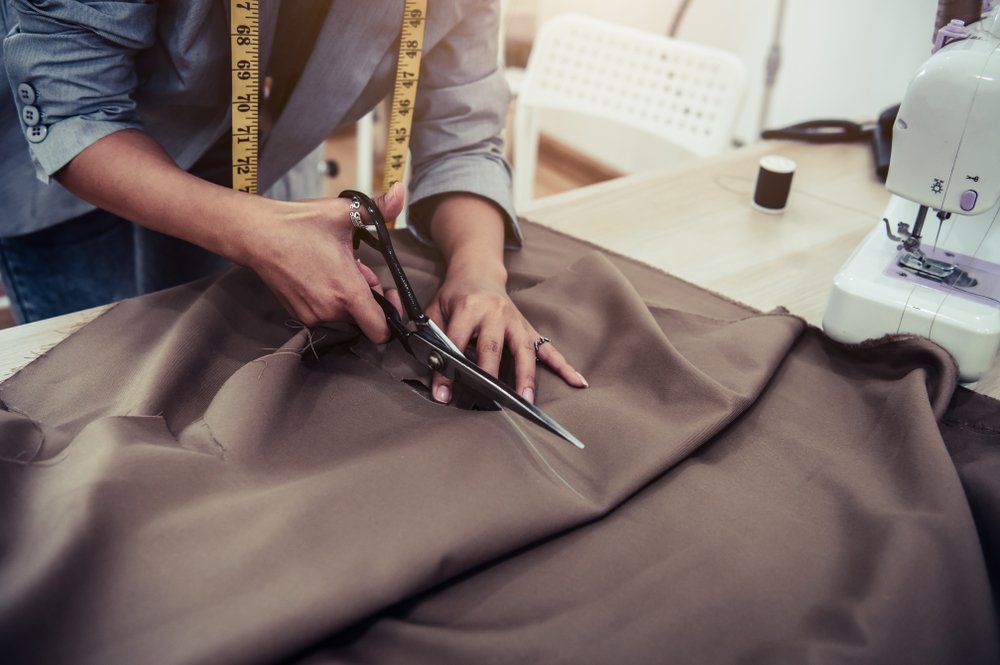
- High-End Fabric Selection
We start with the best textiles, chosen for their excellence, toughness, and plush texture.
Every fabric is picked with care to guarantee that the finished item of clothing is both comfortable and stylish.
2.Design Creation
Our team of designers combines classic styles with cutting-edge trends to bring imaginative ideas to life.
With a focus on flawless fit and utility, each design is painstakingly crafted to guarantee that it is both distinctive and useful.
3. Craftsmanship with Skill
Every stage of the manufacturing process is managed by skilled artisans and craftspeople, guaranteeing outstanding quality.
From cutting and stitching to finishing, every garment is expertly crafted to provide a faultless final product.
Production of Clothing
- Idea and Design
- Concept development is the first step in the process, during which designers produce.
- preliminary mood boards and sketches.
Each piece is wearable and represents either timeless style or current trends thanks to designs that are honed to strike a balance between creativity and functionality.
2. Purchasing Fabrics
- The best fabrics are purchased from reliable vendors, taking into account factors like texture, toughness, and visual appeal.
- In order to promote ecologically conscious production, sustainable and eco-friendly materials are given priority whenever feasible.
3. Creating Patterns and Sampling
- Expert pattern makers create accurate designs that specify the garment’s shape and composition.
- Before going into mass manufacturing, samples are made and evaluated to ensure the ideal fit and style.
4. Cutting & Preparation
- Fabrics are carefully laid out and cut using advanced techniques, often with automated cutting tools to ensure precision and minimize waste.
- Each fabric piece is then prepared for assembly, with special attention given to patterns and fabric direction.
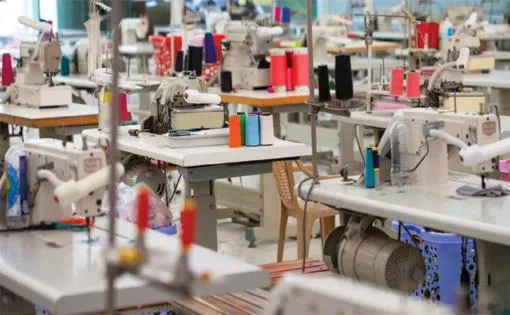
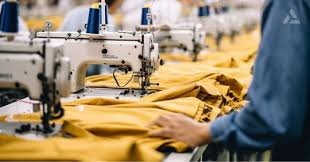
5. Sewing & Assembly
- The garment is sewn together by expert seamstresses, following the pattern’s instructions to ensure a perfect fit.
6. Purchasing Fabrics
- The best fabrics are purchased from reliable vendors, taking into account factors like texture, toughness, visual appeal.
7. Cutting & Preparation
- Fabrics are carefully laid out and cut using advanced techniques, often with automated cutting tools to ensure precision and minimize waste.
- Each fabric piece is then prepared for assembly, with special attention given to patterns and fabric direction.
8. Sewing & Assembly
- The garment is sewn together by expert seamstresses, following the pattern’s instructions to ensure a perfect fit.